The Art of Empathy in Web Design
– Insights from Shivam Narula
Empathy isn’t just a buzzword—it’s the soul of great design. In a world flooded with interfaces, what separates a forgettable website from one that truly resonates is its ability to understand and reflect the user’s emotional journey. As a creative web designer, I’ve come to believe that empathy is not just a soft skill—it’s a strategic advantage.
This blog is a deep dive into how empathy shapes my design process, influences user experience, and transforms digital spaces into emotionally intelligent environments
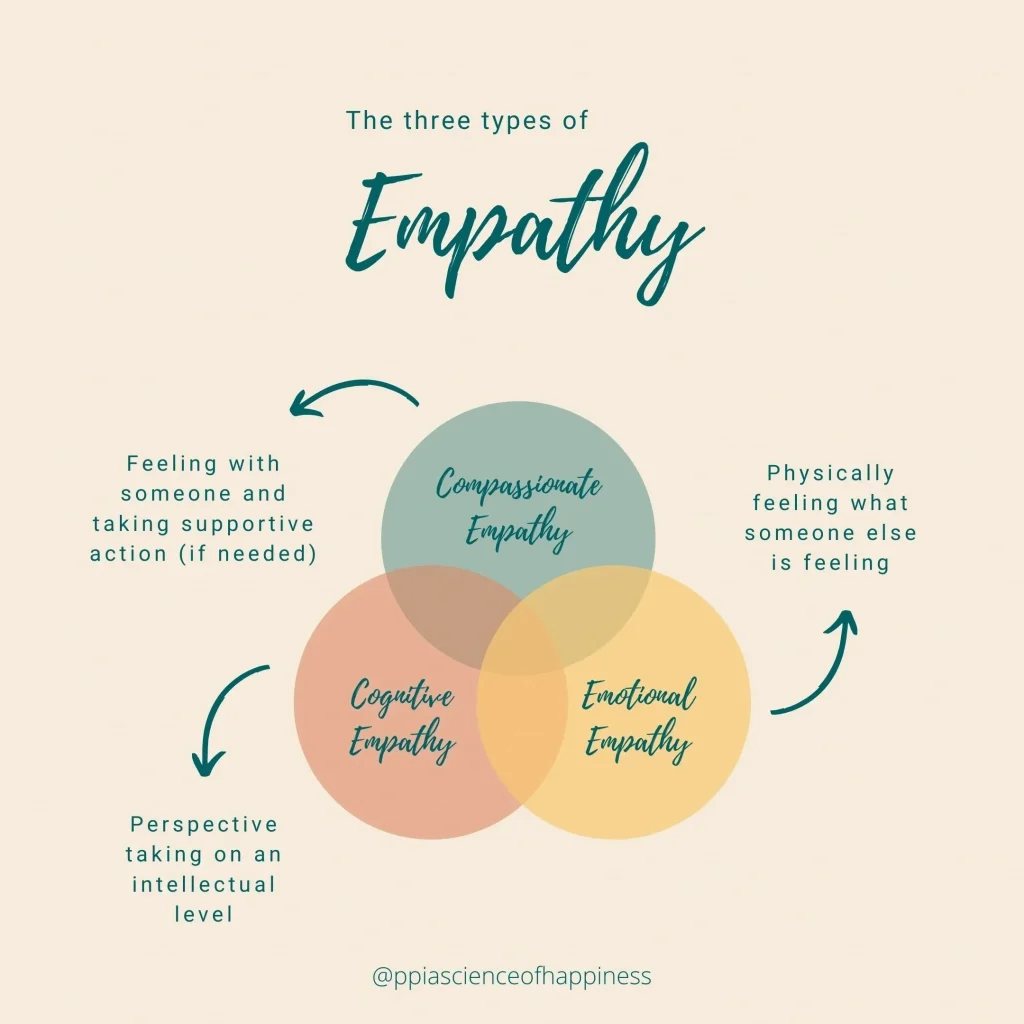
Why Is Empathy In Web design
Empathy in web design means designing with the user’s emotions, needs, and context in mind. It’s about stepping into their shoes—not just to solve problems, but to understand their mindset, motivations, and frustrations.
It’s the difference between asking:
“How do I make this button clickable?” and
“How do I make this action feel intuitive and reassuring?”
Empathy is what turns functionality into experience. It’s what makes users feel seen, heard, and guided.
My Journey Towards Empathetic Design

When I first started designing websites, I focused on structure, responsiveness, and visual appeal. I wanted things to look clean and modern. But over time, I realized that beauty without empathy is hollow.
I began asking deeper questions:
What emotional state is the user in when they land here?
What fears or doubts might they have?
What would make them feel safe, confident, or inspired?
This shift transformed my approach. I stopped designing for screens and started designing for people.
Empathy in Action: My Design Philosophy
Here’s how empathy shows up in my work as a creative web designer:
1. User Research with Heart
I don’t just gather data—I listen. I conduct interviews, read feedback, and observe behavior with curiosity and compassion. I want to know:
What frustrates users?
What delights them?
What do they wish someone understood?
2. Emotionally Intelligent Copywriting
Words matter. I craft copy that speaks to the user’s emotional state—whether it’s excitement, uncertainty, or urgency. I use tone, rhythm, and clarity to build trust.
3. Micro-Interactions That Reassure
A subtle animation, a hover effect, or a loading indicator can make users feel acknowledged. These tiny moments show that the interface is responsive, thoughtful, and alive.
4. Inclusive Design
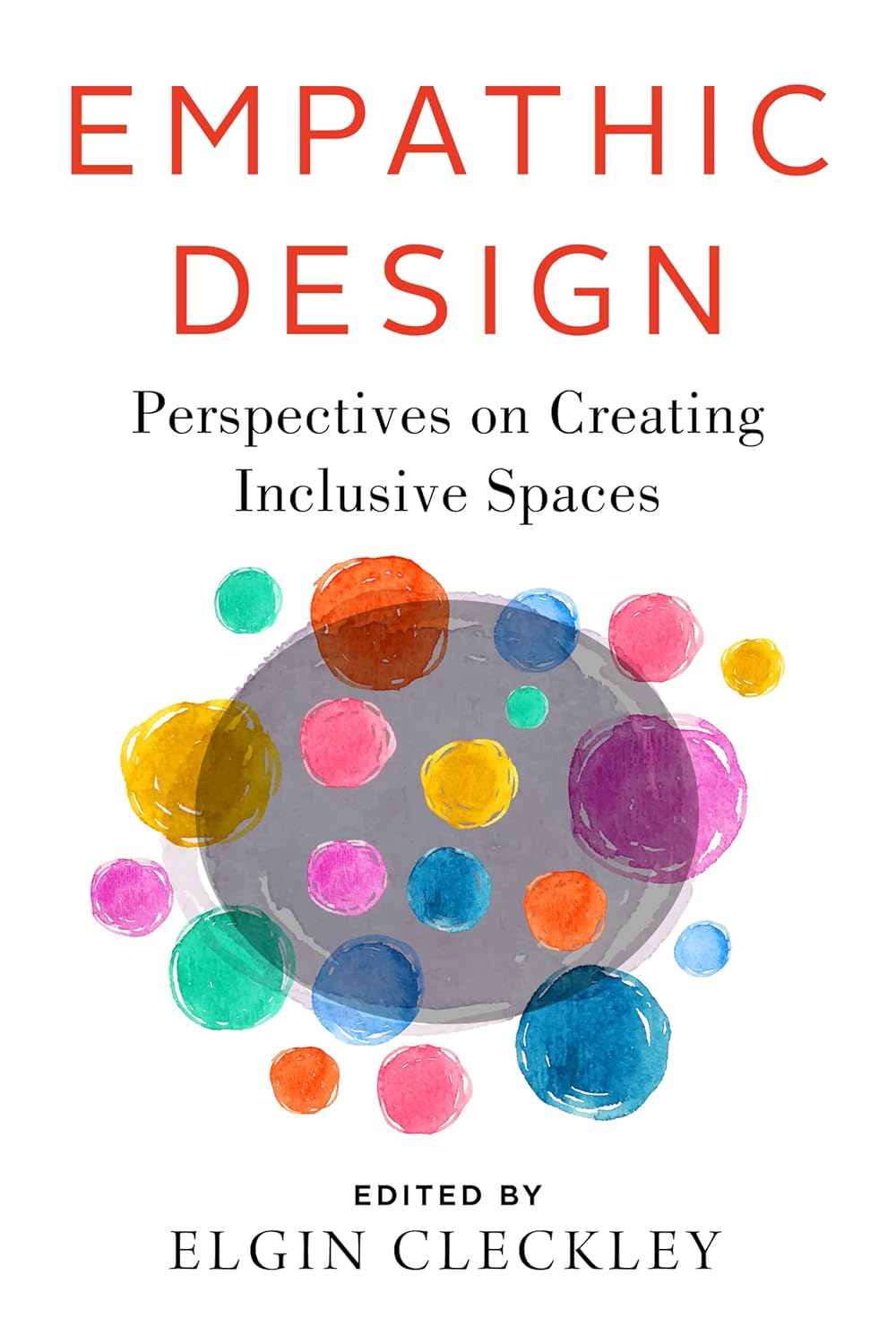
Empathy means designing for everyone. I prioritize accessibility, cultural sensitivity, and device diversity. I want every user to feel welcome.
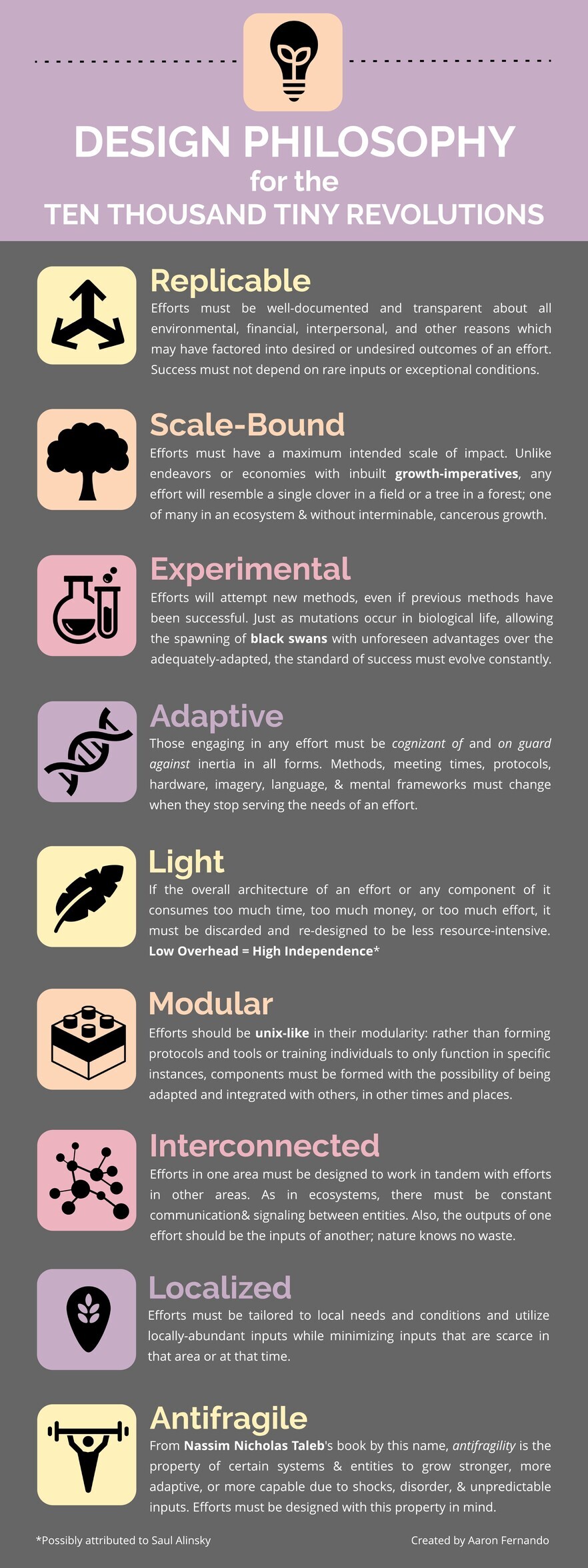
My Empathetic Design Process
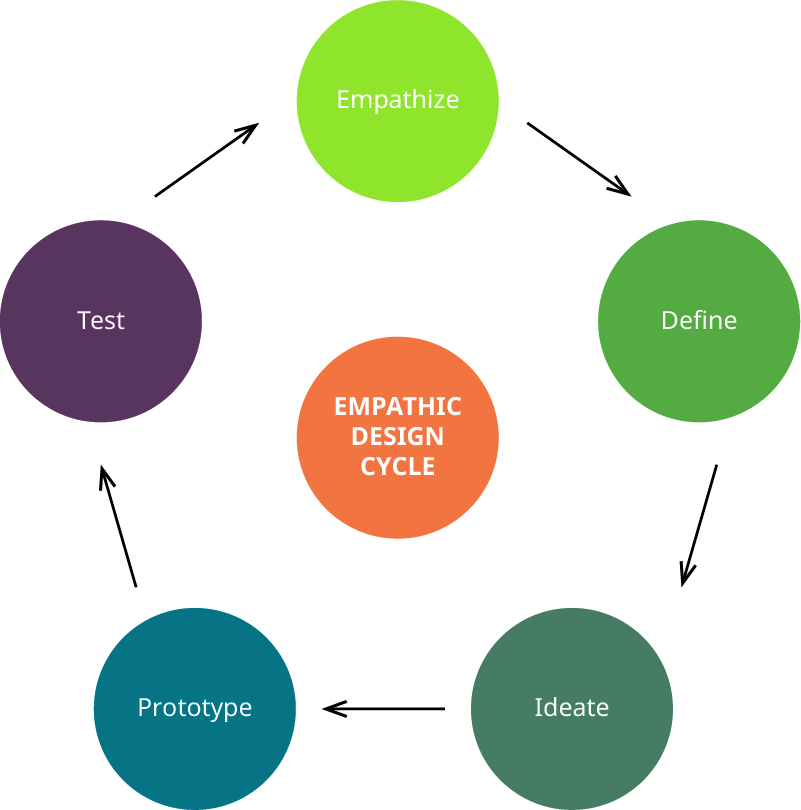
Here’s a breakdown of how I integrate empathy into each stage of my workflow:
🧩 1. Discovery & Empathy Mapping
I start by understanding the brand’s mission and the user’s mindset. I create empathy maps that explore:
What users think and feel
What they see and hear
What they say and do
Their pains and gains
This helps me design with emotional clarity.
🧪 2. Wireframing with Intent
I sketch user flows that feel natural. I prioritize clarity, hierarchy, and emotional pacing. Each section has a purpose. Each interaction supports the user’s journey.
🎨 3. Visual Design That Resonates
I choose colors, typography, and imagery that evoke the right emotions. For example:
Blue for trust and calm
Orange for energy and warmth
Serif fonts for tradition and reliability
Sans-serif for modernity and clarity
⚙️ 4. Development That Feels Seamless
Using React, Next.js, and Vercel, I build interfaces that are fast, responsive, and intuitive. I optimize for performance and accessibility—because empathy includes technical excellence.
🔁 5. Feedback & Iteration
Empathy doesn’t end at launch. I gather feedback, analyze behavior, and refine the experience. I believe in continuous improvement driven by real human insight.
Empathy Driven Results
Empathetic design isn’t just feel-good—it’s effective. Here’s what I’ve seen in my projects:
Higher conversion rates due to emotionally resonant CTAs
Lower bounce rates from intuitive navigation
Increased trust through authentic branding
Better engagement from inclusive, accessible design
When users feel understood, they stay. They explore. They convert.



Case Studies: In My results
🎧 Synthwave Music App
I designed a music streaming app with lo-fi aesthetics. The goal was to evoke nostalgia and calm. I used dark mode, neon accents, and smooth transitions to create a mood. Users reported feeling “immersed” and “emotionally connected.”
✈️ Travel Planner Interface
For a travel planner, I focused on reducing anxiety. I used warm colors, clear steps, and reassuring copy. The result? Users felt confident booking trips and exploring destinations.
🧑💼 Personal Branding for Creators
I’ve helped creators build websites that reflect their voice. By understanding their story and audience, I crafted designs that felt authentic and empowering.
Lessons I Have Learned

Empathy is a skill: It can be practiced, refined, and embedded into every design decision.
Emotion is data: Feelings are signals. They guide design just as much as analytics.
Design is dialogue: Every interface is a conversation. Empathy makes it meaningful.
Why Empathy Matters More Than Ever
In a digital world full of noise, empathy is clarity. It’s what helps users feel safe in a checkout flow, inspired by a homepage, or understood by a brand.
As a creative web designer, I believe empathy is the future of UX. It’s not just about solving problems—it’s about creating connection.