My First Journey
By Shivam Narula - Creative Web Designer
Every creative journey begins with a question. Mine was simple: “Why does this website feel so good to use?” That question led me down a rabbit hole of design psychology, user behavior, and the invisible art of digital storytelling. Today, I’m proud to call myself a creative web designer, but the road here was anything but linear.
The Spark That Lit The Path
I didn’t grow up knowing I’d be a designer. I was just a curious kid who loved tech and aesthetics. I’d spend hours exploring websites—not just for their content, but for their vibe. Some felt sterile and transactional. Others felt warm, intuitive, and alive. I didn’t have the vocabulary then, but I knew I wanted to create the latter.My first attempt at building a webpage was chaotic. I struggled with layout, typography, and responsiveness. But when I finally got it right—when the div centered, the button clicked, and the page loaded—I felt something shift. I wasn’t just coding. I was creating.
Learning The Path
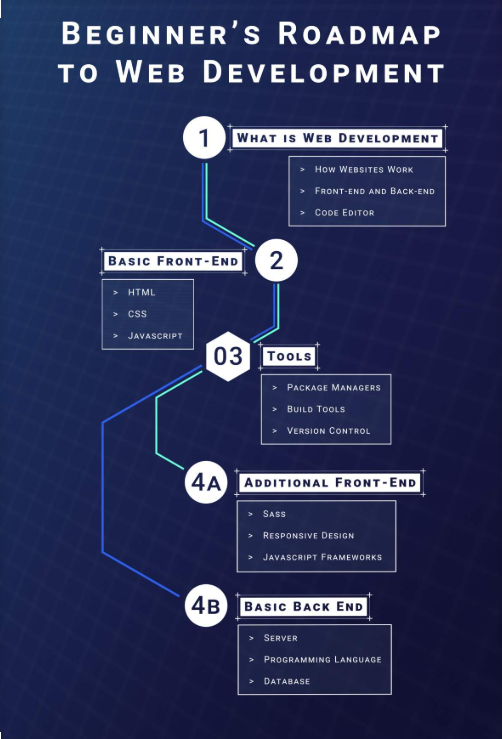
I immersed myself in the world of web design. I learned HTML, CSS, and JavaScript, then moved on to React and next.js I explored deployment platforms like Vercel and Netlify, and design tools like Figma and Rainmeter. But beyond the tools, I focused on the “why” behind every decision.
Why should a button be placed here? Why does this color evoke trust? Why does this layout feel intuitive?
I studied user psychology, accessibility principles, and conversion strategies. I learned that good design isn’t just about beauty—it’s about clarity, emotion, and purpose.
Becoming Shivam Narula, Creative Web Designer

At some point, I stopped calling myself a developer and started calling myself a creative web designer. That shift wasn’t just about titles—it was about identity. I wasn’t just building websites. I was crafting experiences. I was blending logic with emotion, structure with soul.
I began working on projects that reflected my passions:
Music streaming apps with synthwave aesthetics
Travel planners with immersive visuals
Personal brands that felt authentic and emotionally intelligent
Each project became a canvas. Each client became a collaborator. Each design became a story.
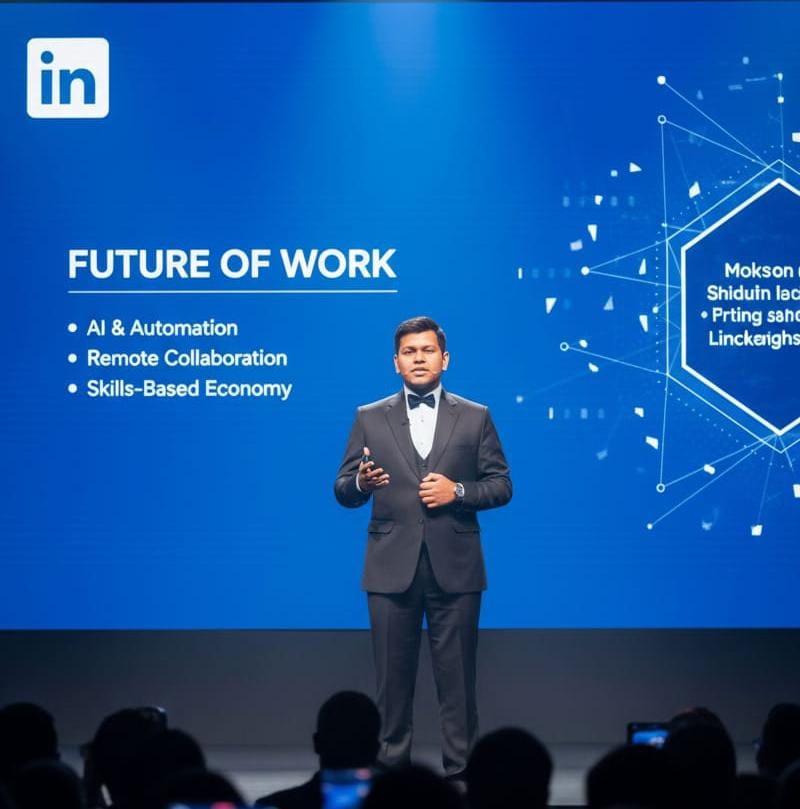
Creating www.shivamnarula.in was a milestone. It’s not just a portfolio—it’s a reflection of who I am. I designed it to be clean, expressive, and intuitive. Every section—from the hero banner to the contact form—was crafted with care.
The site showcases my work, but more importantly, it shares my philosophy:
Design should be functional
Design should be emotional
Design should be memorable
I optimized every page for SEO, wrote emotionally resonant copy, and ensured the user journey felt seamless. It’s not just a website—it’s a conversation.
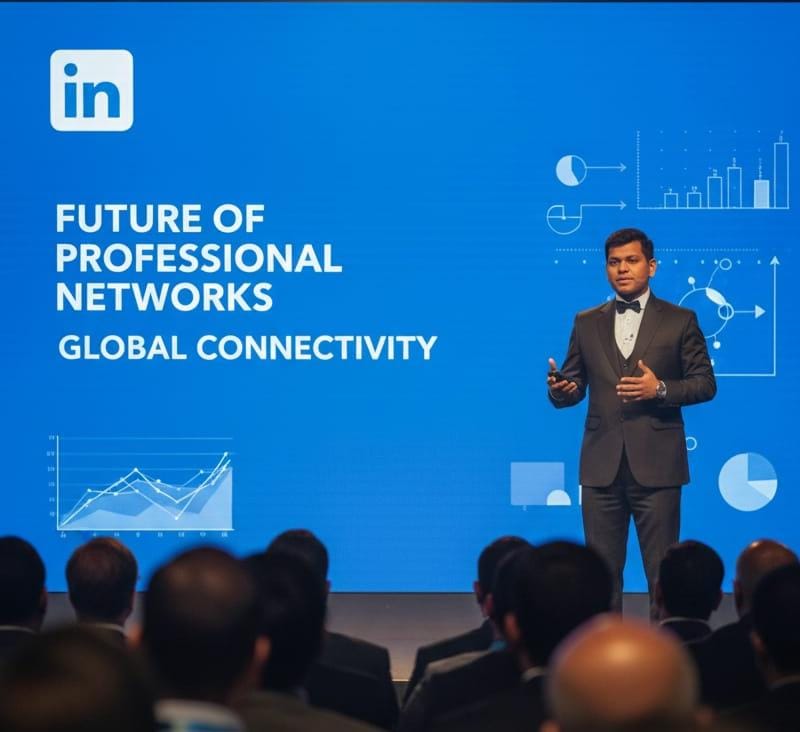
Visual Timeline: My Journey In Milestones
| YEAR | MILESTONE | DESCRIPTION |
|---|---|---|
| 2016 | ✨ First Spark | Built my first static webpage. Discovered the emotional potential of design. |
| 2017 | 🔧 Learning Curve | Explored JavaScript, UX principles, and responsive layouts. |
| 2018 | 🎨 Design Meets Emotion | Began using Figma and Rainmeter to craft expressive interfaces. |
| 2019 | 🚀 First Freelance Project | Designed a landing page for a local brand. Learned the value of conversion-focused design. |
| 2020 | 🧠 Deep Dive into React & Next.js | Built scalable, dynamic websites. Deployed with Vercel. |
| 2021 | 📈 Branding & SEO | Mastered emotionally intelligent copywriting and strategic branding. |
| 2022 | 🌐 Launch of www.shivamnarula.in | Created a personal site to showcase my philosophy and portfolio. |
| 2023-PRESENT | 🧭 Strategic Design | Focused on storytelling, empathy, and collaborative design thinking. |
What I Believe
Design isn’t decoration—it’s communication. It’s empathy. It’s strategy. I believe in:
Emotionally intelligent design: Interfaces that guide, comfort, and connect
Conversion through clarity: Clean layouts that drive action
Storytelling as strategy: Every section should support a narrative arc
Iterative problem-solving: Design evolves through feedback and insight
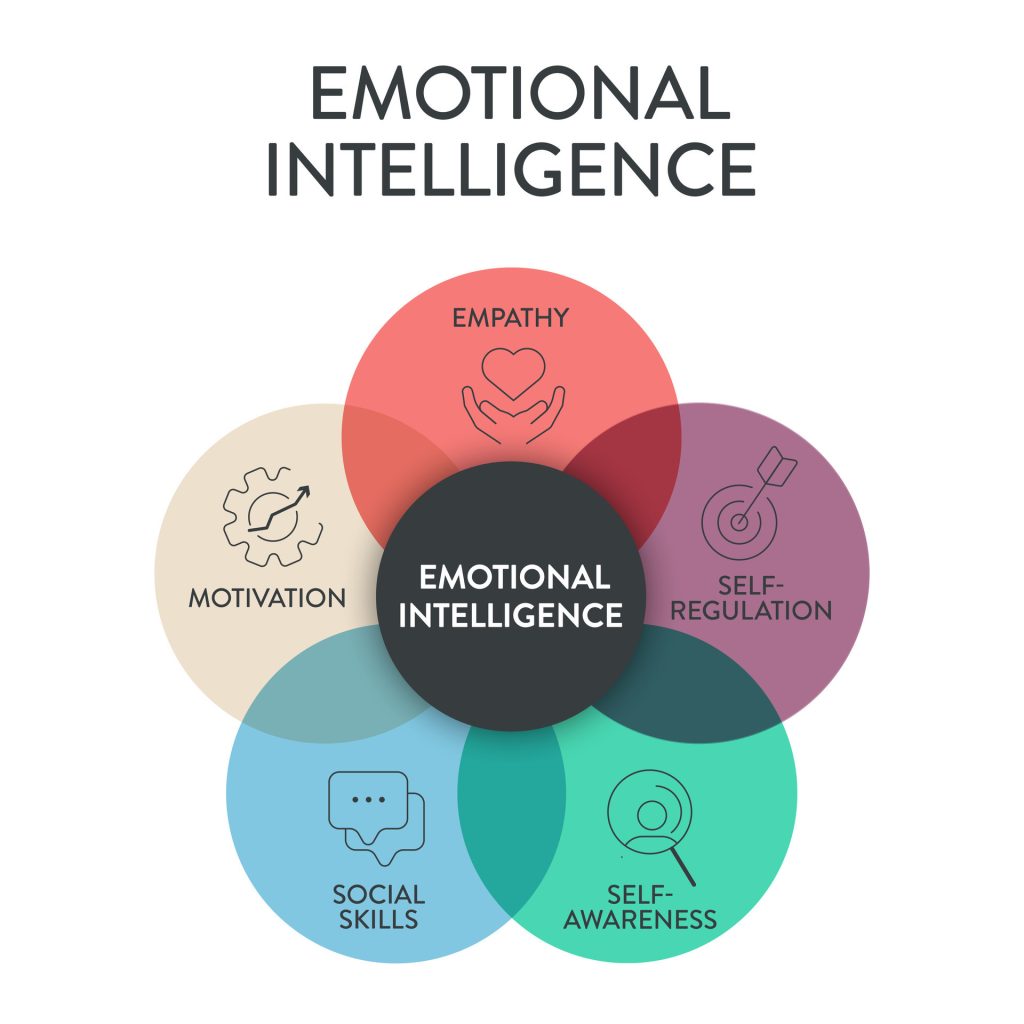
The Emotional Intelligence Behind design
One of the most transformative realizations in my journey was that design is not just visual—it’s emotional. A well-placed button, a calming color palette, or a subtle animation can make users feel safe, excited, or inspired. That’s why I’ve always leaned into emotionally intelligent design.
When I work on a project, I don’t just ask “What does the user need?”—I ask “How does the user feel?”
Is the interface overwhelming or calming?
Does the copy reassure or confuse?
Does the layout guide or distract?
These questions shape every decision I make. Whether I’m designing a homepage for a startup or a dashboard for a music app, I want users to feel understood.
Strategy Meets Storytelling
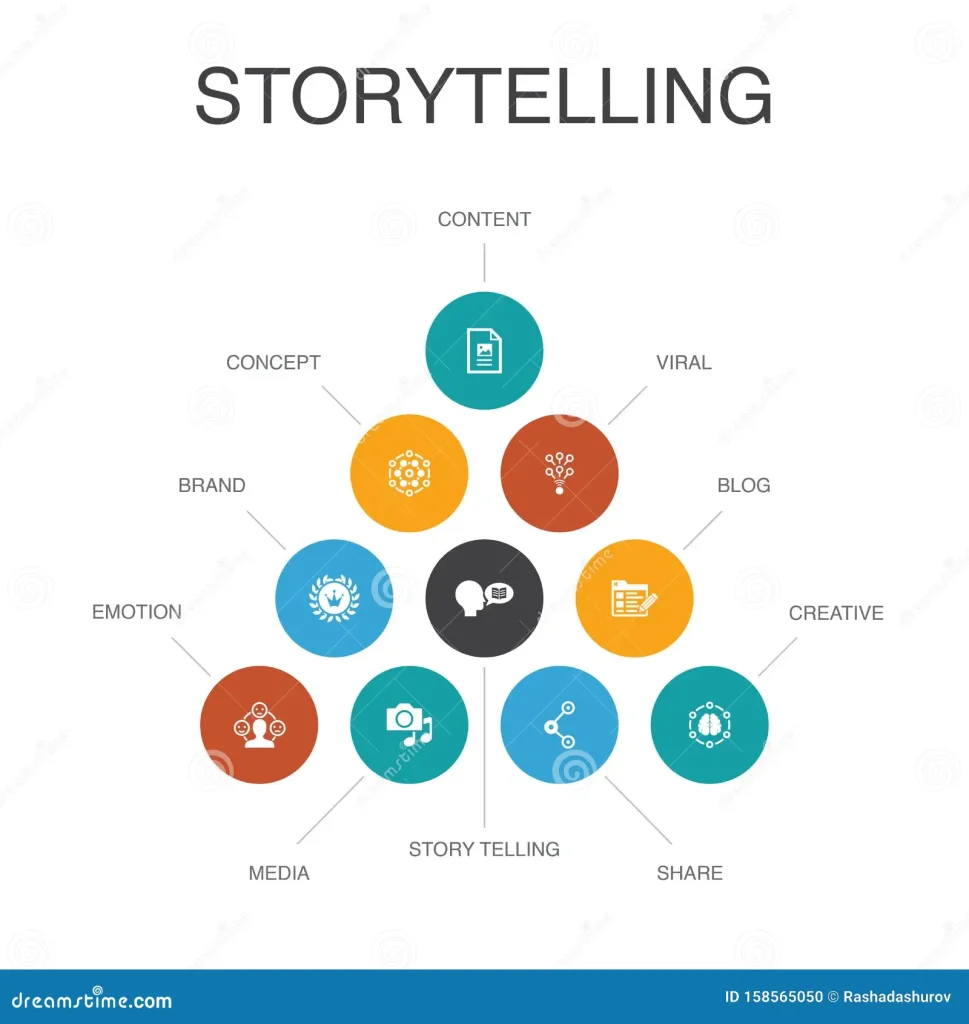
As a creative web designer, I’ve learned that storytelling isn’t just for blogs or branding—it’s embedded in the structure of a site. Every scroll, click, and transition should support a narrative. That’s why I approach design like a screenplay:
The hero section is the opening scene—bold, engaging, and emotionally charged.
The about section is the character development—who we are, what we believe.
The services or product section is the plot—what we offer and why it matters.
The contact or CTA is the resolution—inviting users to take action.
This narrative-driven approach helps users connect with the brand on a deeper level. It’s not just about selling—it’s about building trust.
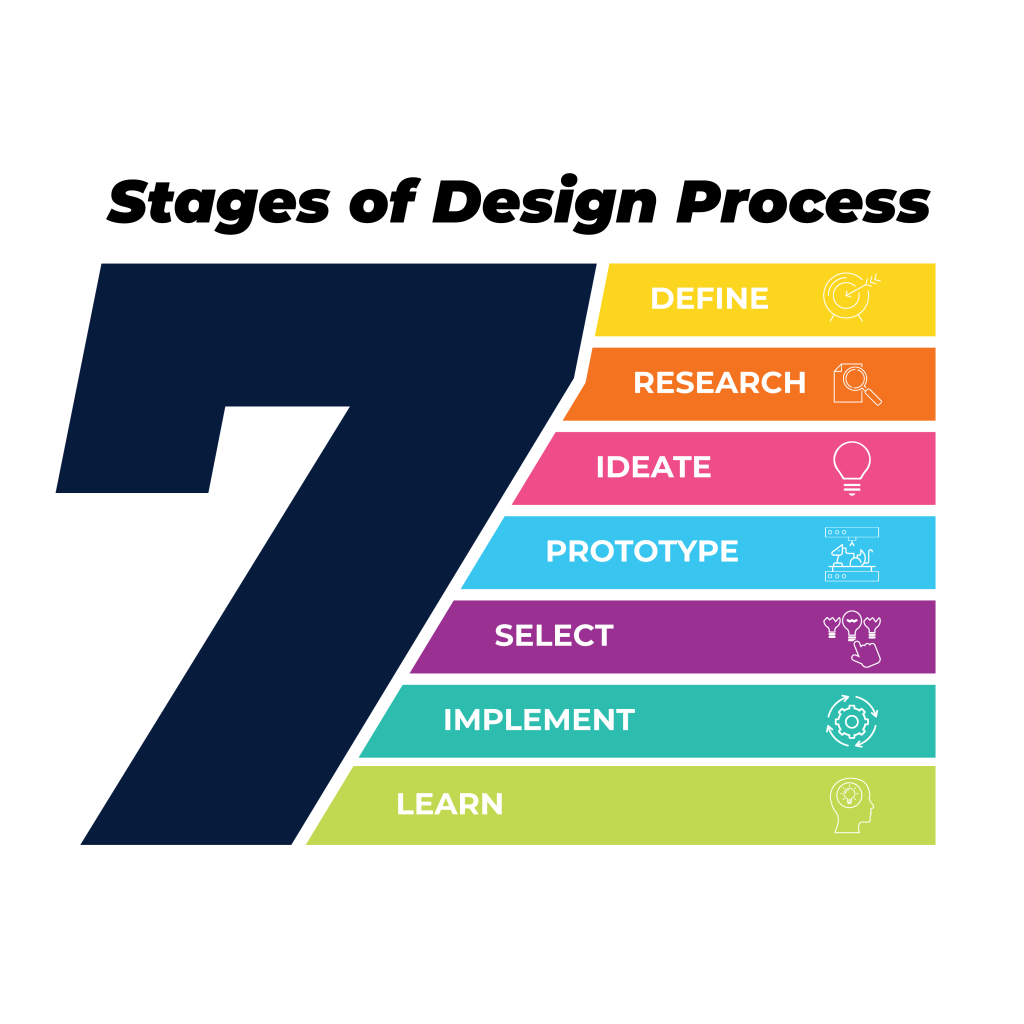
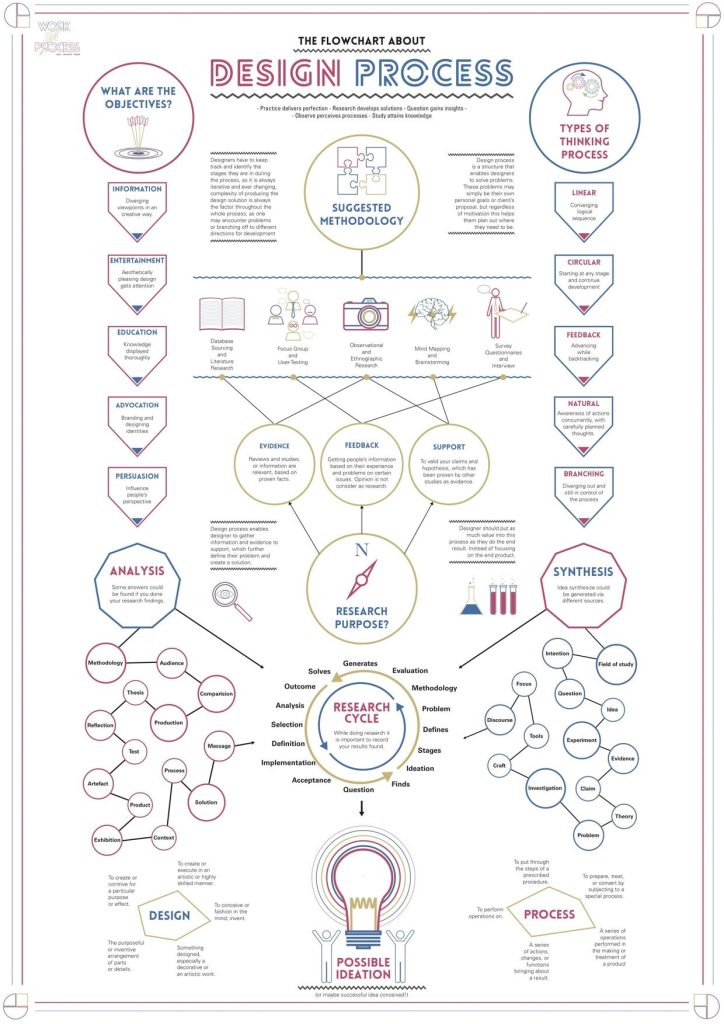
My Design Process: From Concept to Conversion
Here’s how I typically approach a project:
Discovery & Empathy Mapping I start by understanding the brand, the audience, and the emotional tone. I ask questions like:
What does the brand stand for?
What emotions should the user feel?
What actions do we want them to take?
Wireframing & Flow Planning Using Figma, I sketch out the user journey. I focus on clarity, hierarchy, and flow. Every section has a purpose. Every element supports the story.
Visual Design & Micro-Interactions I choose colors, typography, and animations that align with the brand’s emotional goals. I use subtle transitions and hover effects to guide attention and delight users.
Development & Optimization I build using React and Next.js, deploy with Vercel, and optimize for performance, accessibility, and SEO. I write clean, scalable code and test across devices.
Feedback & Iteration I believe design is never “done.” I gather feedback, analyze user behavior, and refine the experience. Iteration is where the magic happens.
Designing For Impact
Beyond aesthetics and conversions, I care deeply about impact. I want my designs to help people—whether it’s making a product easier to use, a story easier to understand, or a brand easier to trust.
That’s why I’ve worked on:
Music streaming apps that evoke nostalgia and calm through synthwave aesthetics
Travel planners that inspire exploration with immersive visuals and intuitive flows
Personal brands that feel authentic, confident, and emotionally grounded
Each project is a chance to make someone’s digital experience more meaningful.
Lessons I Have Learned
Empathy is everything: The best designs come from understanding people
Details matter: A single pixel can change perception
Consistency builds trust: Cohesive design creates confidence
Curiosity fuels growth: The web evolves—and so must we
Looking Ahead
This is just the beginning. I’m constantly learning, experimenting, and refining my craft. I’m excited to collaborate with brands, startups, and creators who value design as a strategic tool.
If you’re building something meaningful and need a designer who blends technical depth with creative intuition, I’d love to connect.
Visit www.shivamnarula.into explore my work, read my story, and start a conversation.